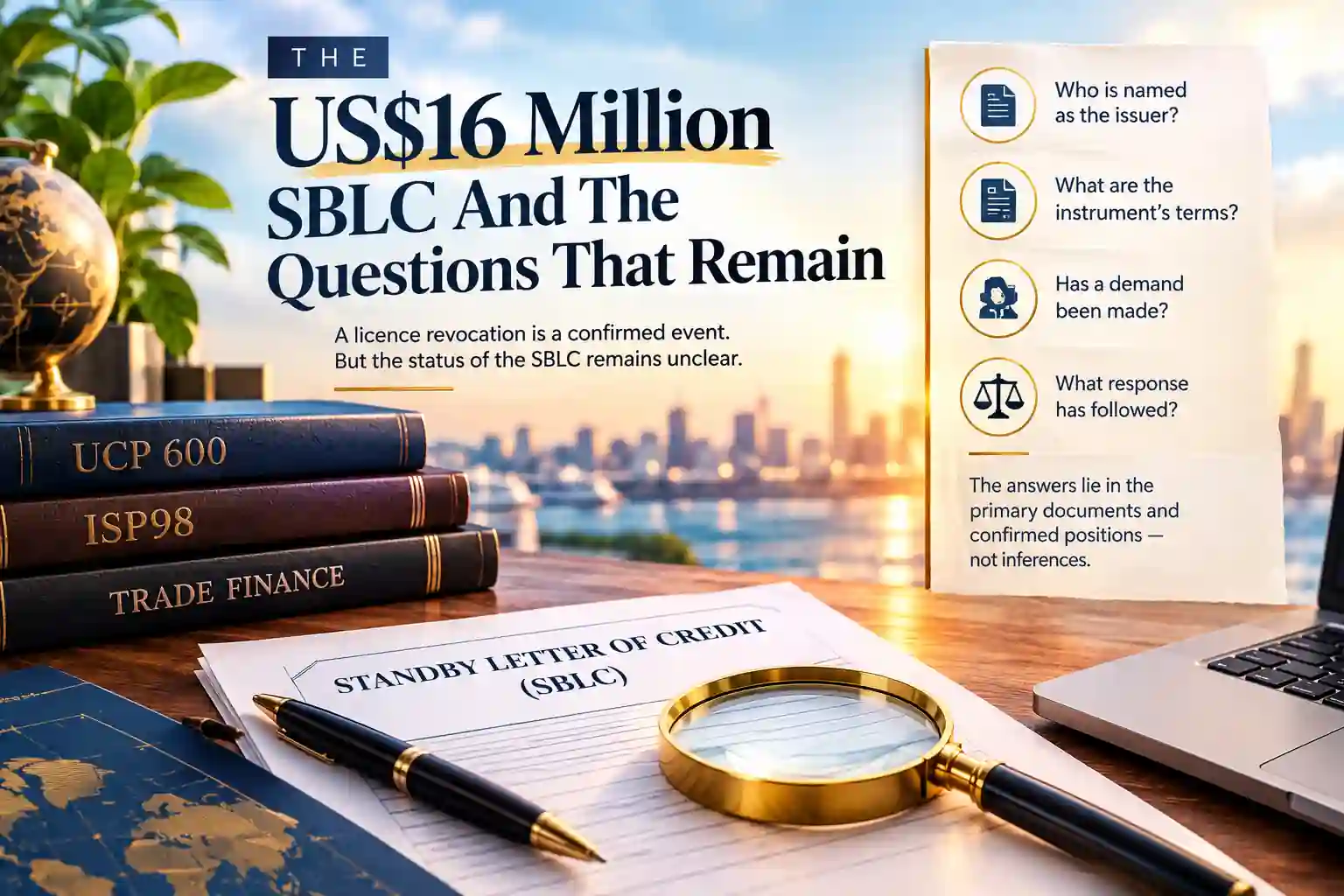
The US$16 Million SBLC And The Questions That Remain
APIB’s licence revocation does not resolve the US$16 million SBLC’s status, enforceability, payment demand or contractual liability.

Corporate dispute news focused on arbitration, public statements, digital evidence, contract termination risk, and reputational exposure.
Corporate Fault Lines tracks how commercial disputes and financial risk signals move from private representations into public records, online documents, open-source intelligence, and regulatory scrutiny.
The August coverage expands that archive into SBLC verification, mirror domains, AI-assisted due diligence, domain forensics, company-registration limits, and the online signals shaping financial trust.
APIB’s licence revocation does not resolve the US$16 million SBLC’s status, enforceability, payment demand or contractual liability.
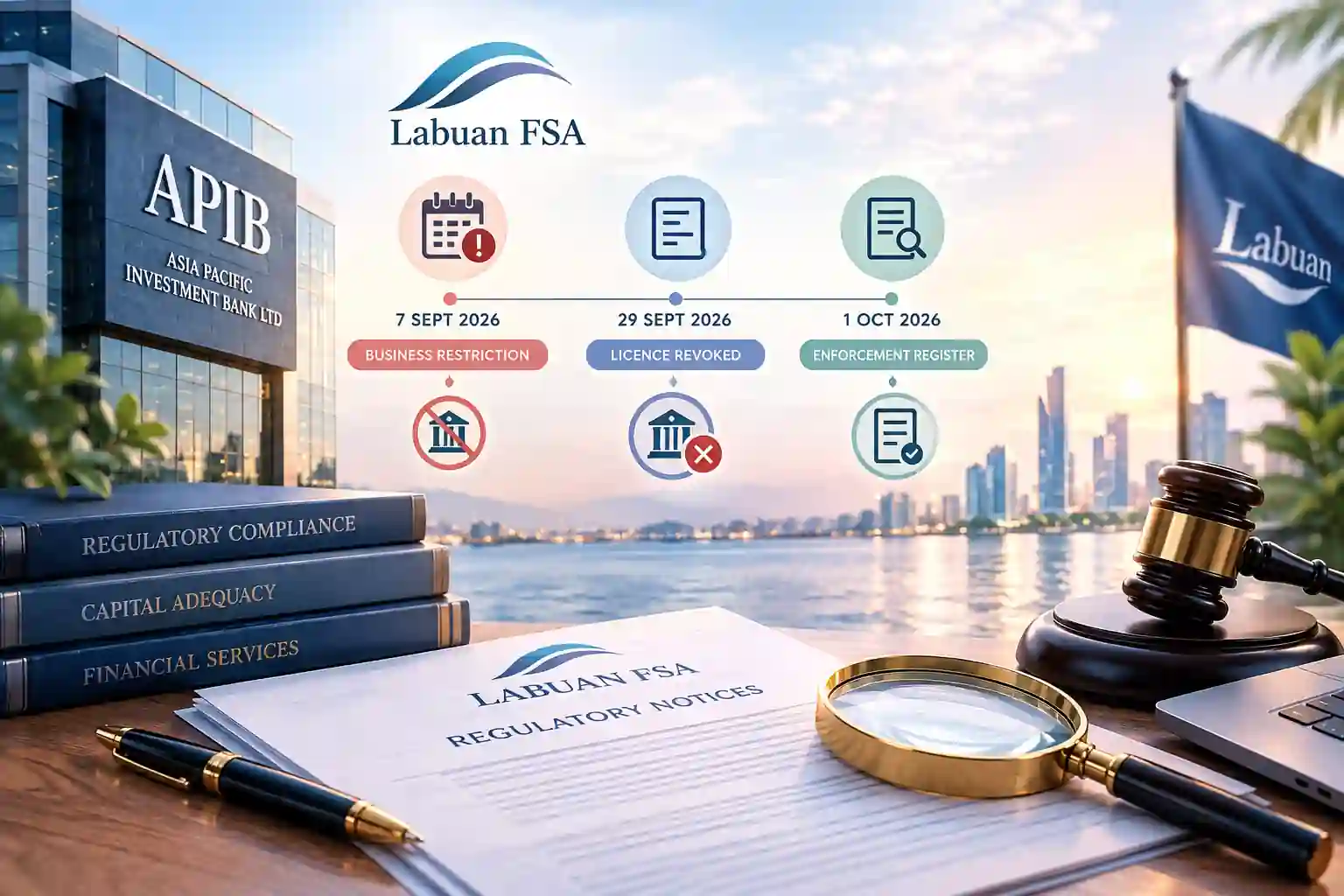
Labuan FSA restricted APIB over minimum capital and/or other regulatory non-compliance before revoking its investment-banking licence in September 2026.
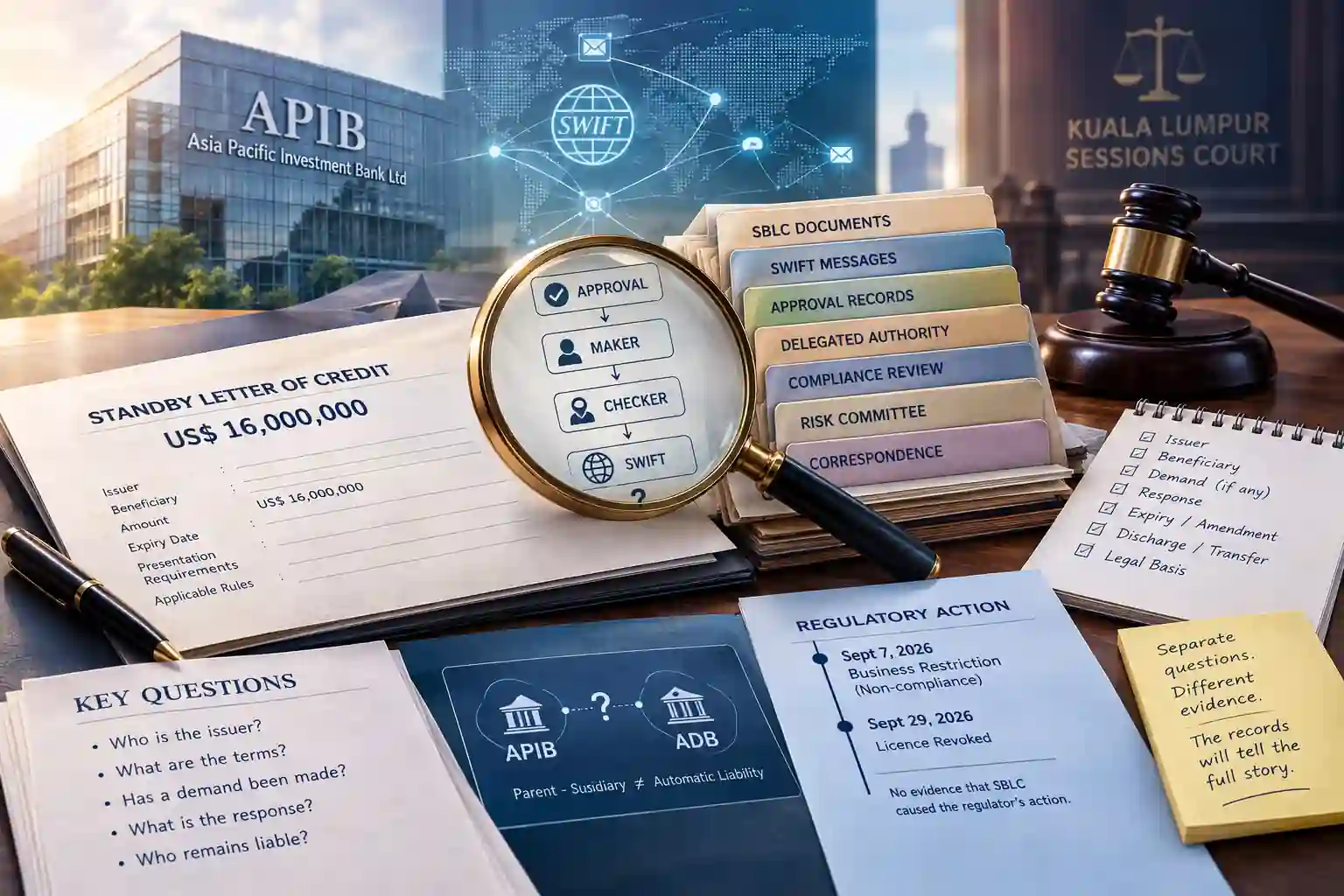
APIB’s US$16 million SBLC case raises questions over approval records, SWIFT controls, enforceability and contractual liability.

APIB’s Labuan licence revocation raises unanswered questions about assets, liabilities, intercompany exposure and creditor rights that require records-based investigation.
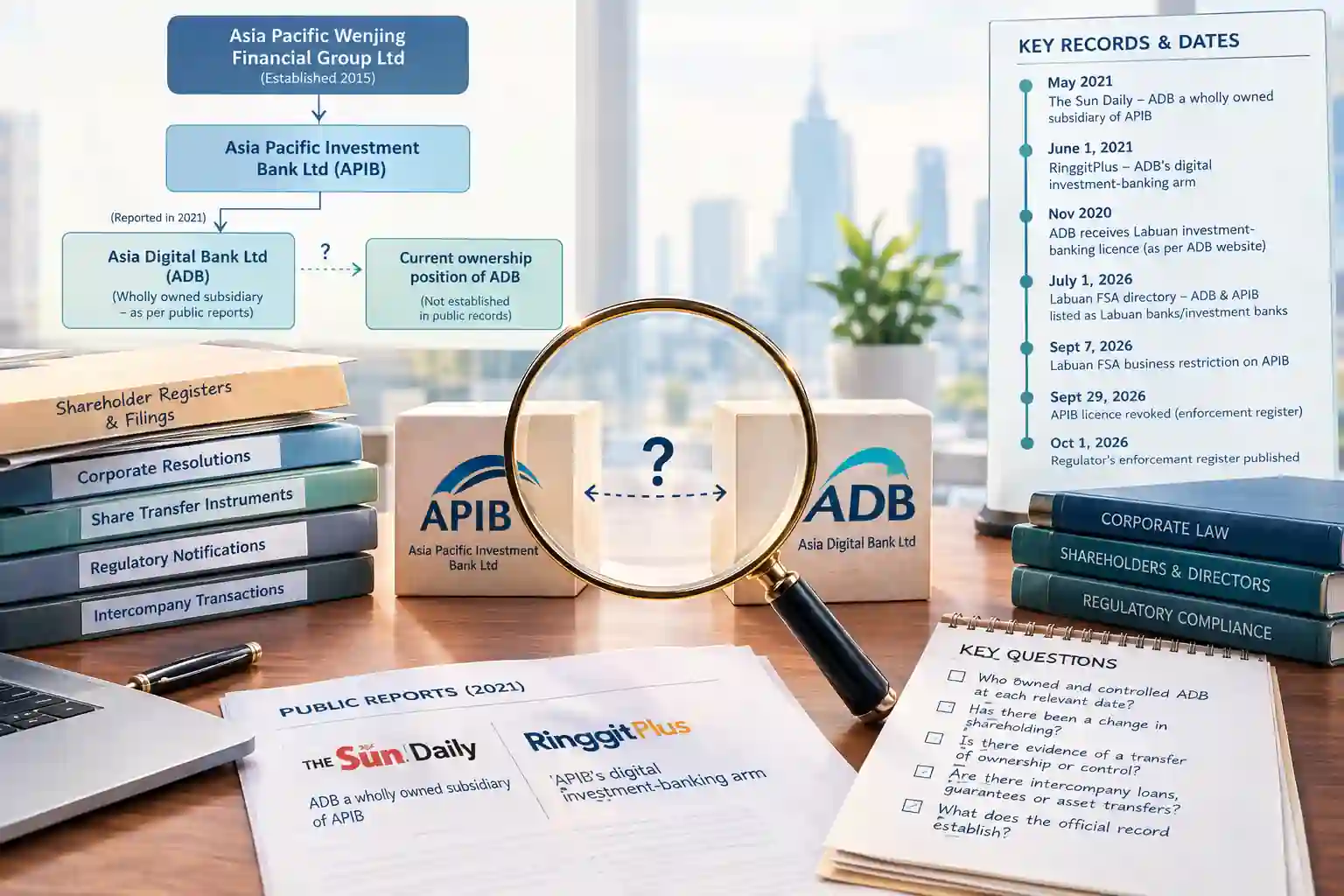
APIB’s licence revocation raises questions about its historical ownership relationship with Asia Digital Bank and what current Labuan records establish.
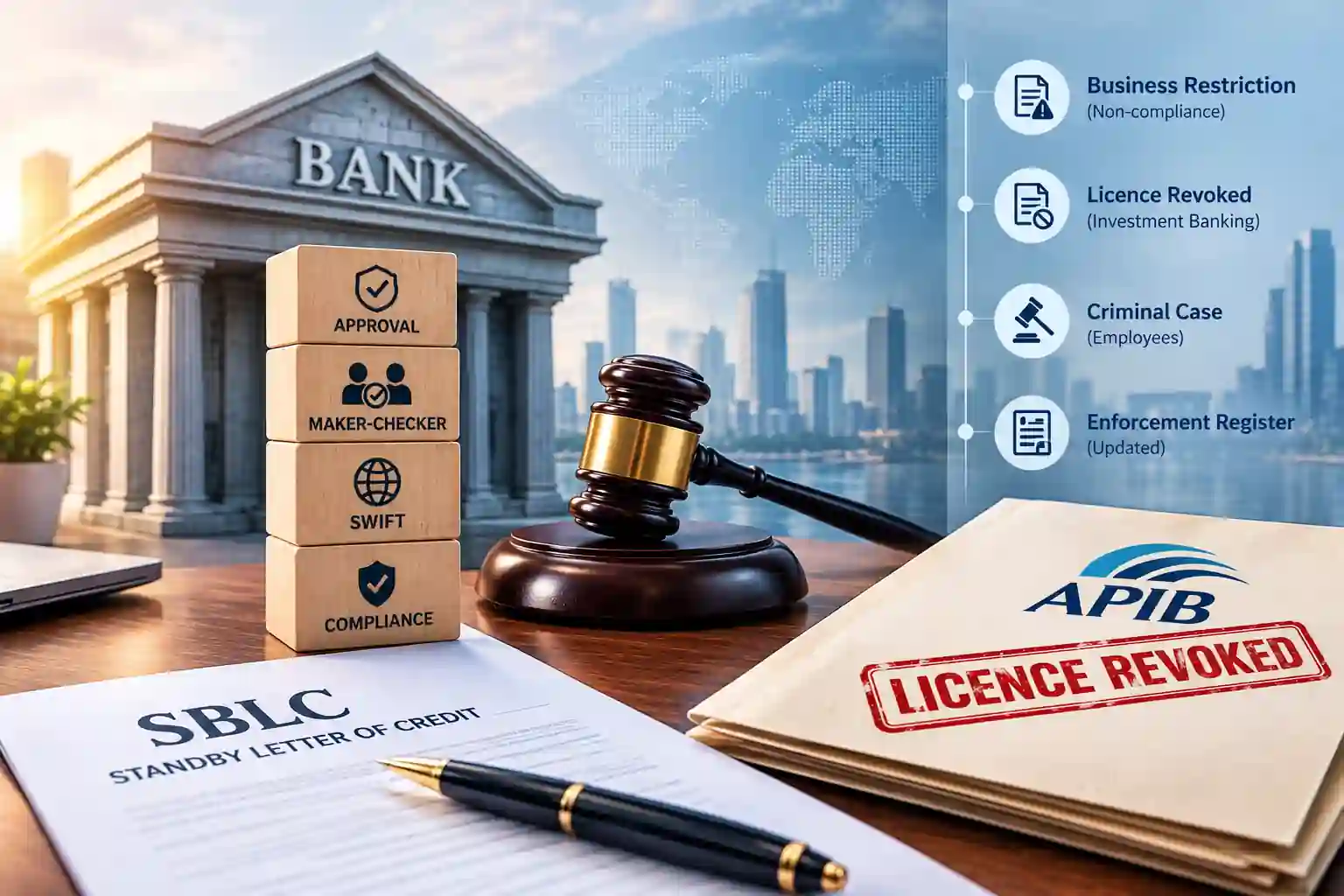
APIB’s licence revocation raises new questions about a US$16 million SBLC, internal controls, regulatory compliance and trade-finance obligations in Malaysia.

APIB’s US$16 million SBLC case examines whether conditional-payment wording, internal approval and SWIFT transmission determine a bank’s trade-finance obligation.

The APIB US$16 million SBLC case raises questions about SWIFT controls, external bank obligations, internal authority and trade-finance governance in Malaysia.

APIB’s US$16 million SBLC case in Malaysia raises questions about alleged approval failures, SWIFT maker-checker controls, financial exposure and bank governance.
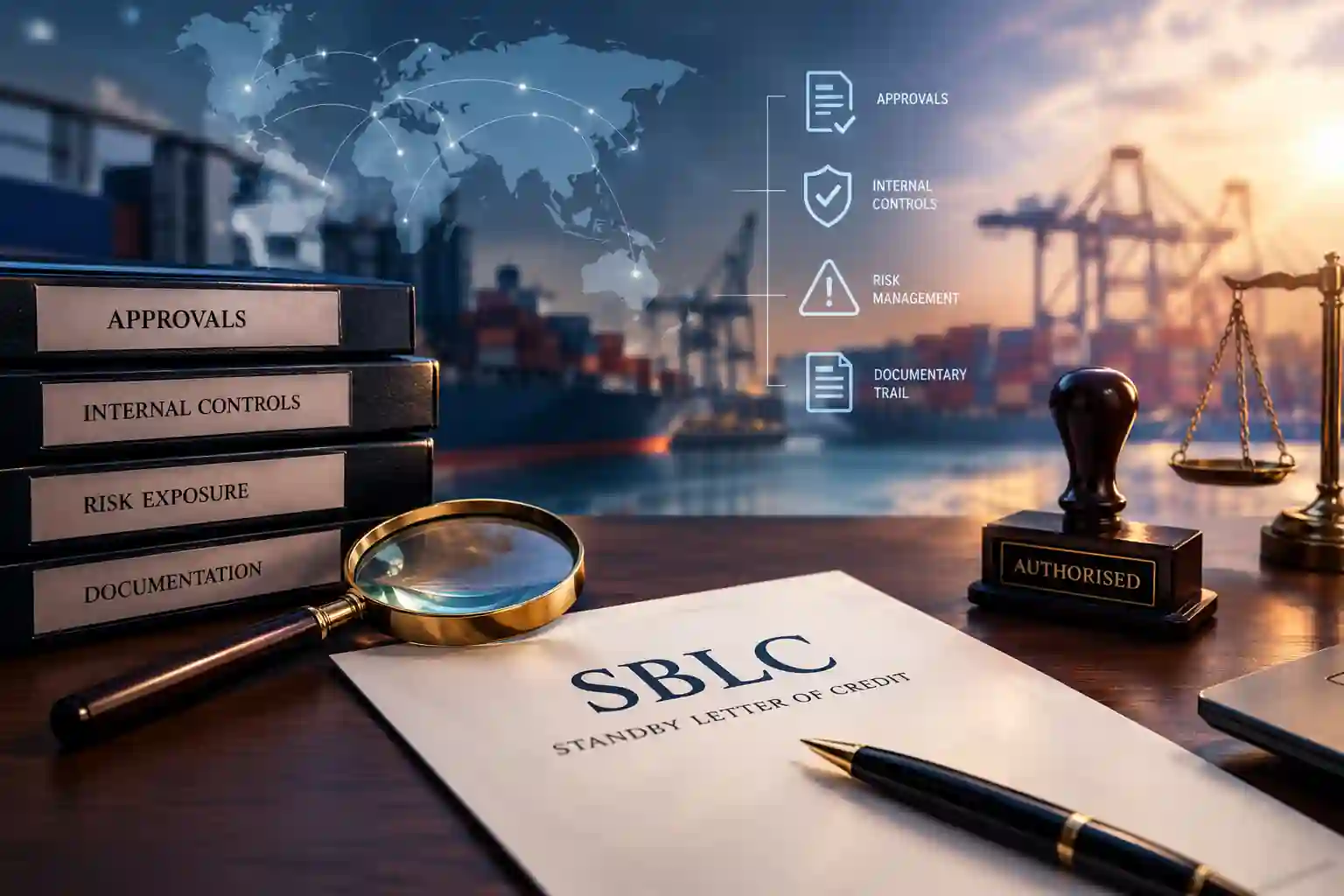
Malaysia’s US$16 million SBLC case raises questions about approval controls, SWIFT processes, actual financial exposure and responsibility for trade-finance risk.

A Malaysian court case involving a US$16 million standby letter of credit raises unanswered questions about bank anonymity, approval controls and institutional transparency.

Dubai’s expanding corporate landscape requires stronger governance, clear ownership, disciplined financing and enforceable contracts to manage disputes, disruptions and international complexity while preserving business resilience.

Dubai’s global deals depend on legal machinery capable of managing cross-border transactions, resolving disputes and protecting commercial rights as the city strengthens its international business role.

Dubai’s corporate expansion now brings debt restructurings, ownership disputes, and asset litigation into focus, revealing how legal and financial discipline shape resilience in an international business hub.

A measured legal strategy could be more important than an immediate filing as MGF seeks clarity, evidence & recovery of its funds

On what legal basis are MGF’s funds restricted, and what happens when that answer remains unclear

Why the documentary record could become the foundation of MGF’s efforts to establish its rights and recover its funds
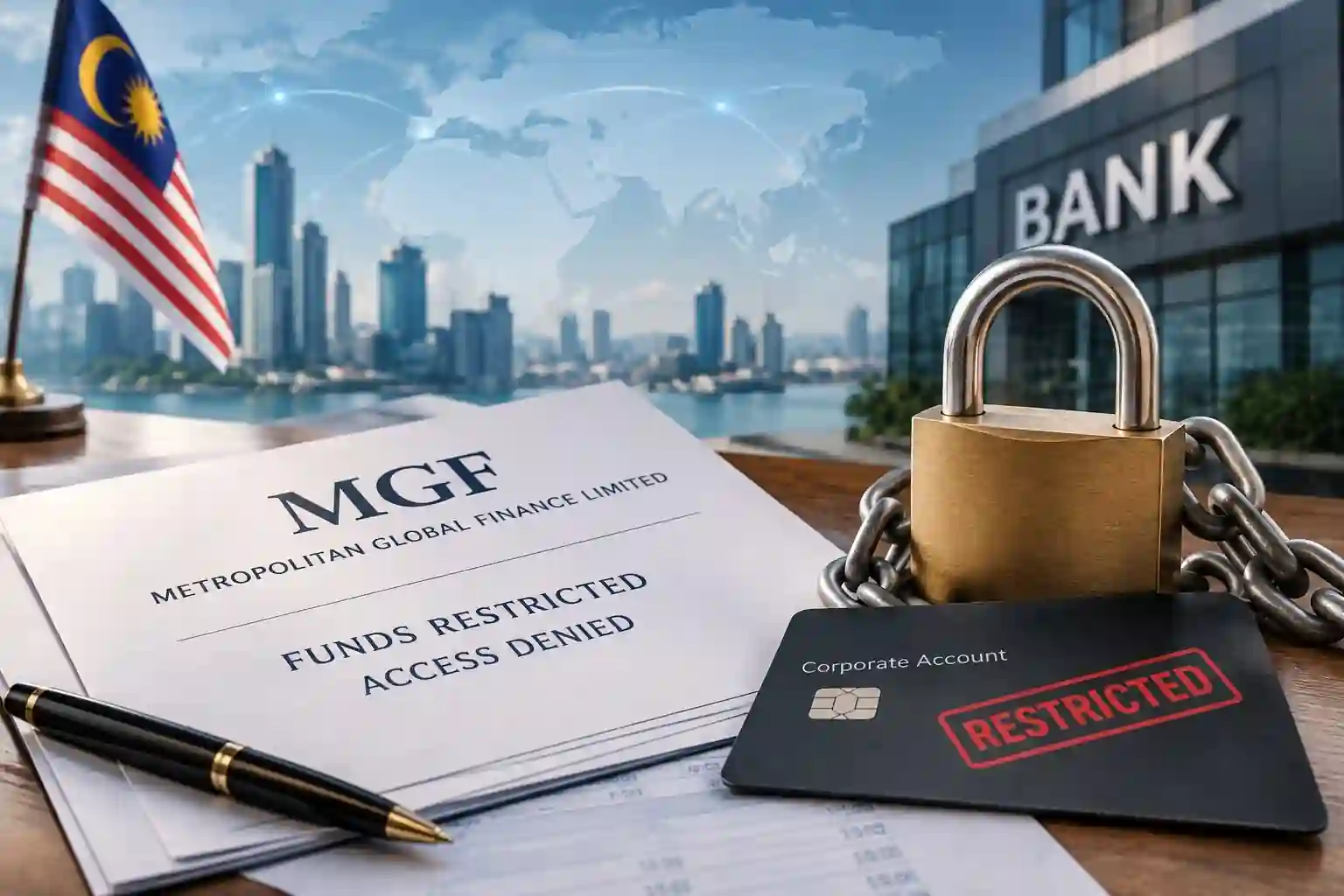
A Gibraltar-regulated financial institution, a Labuan banking relationship and a growing legal effort to establish why corporate funds remain restricted
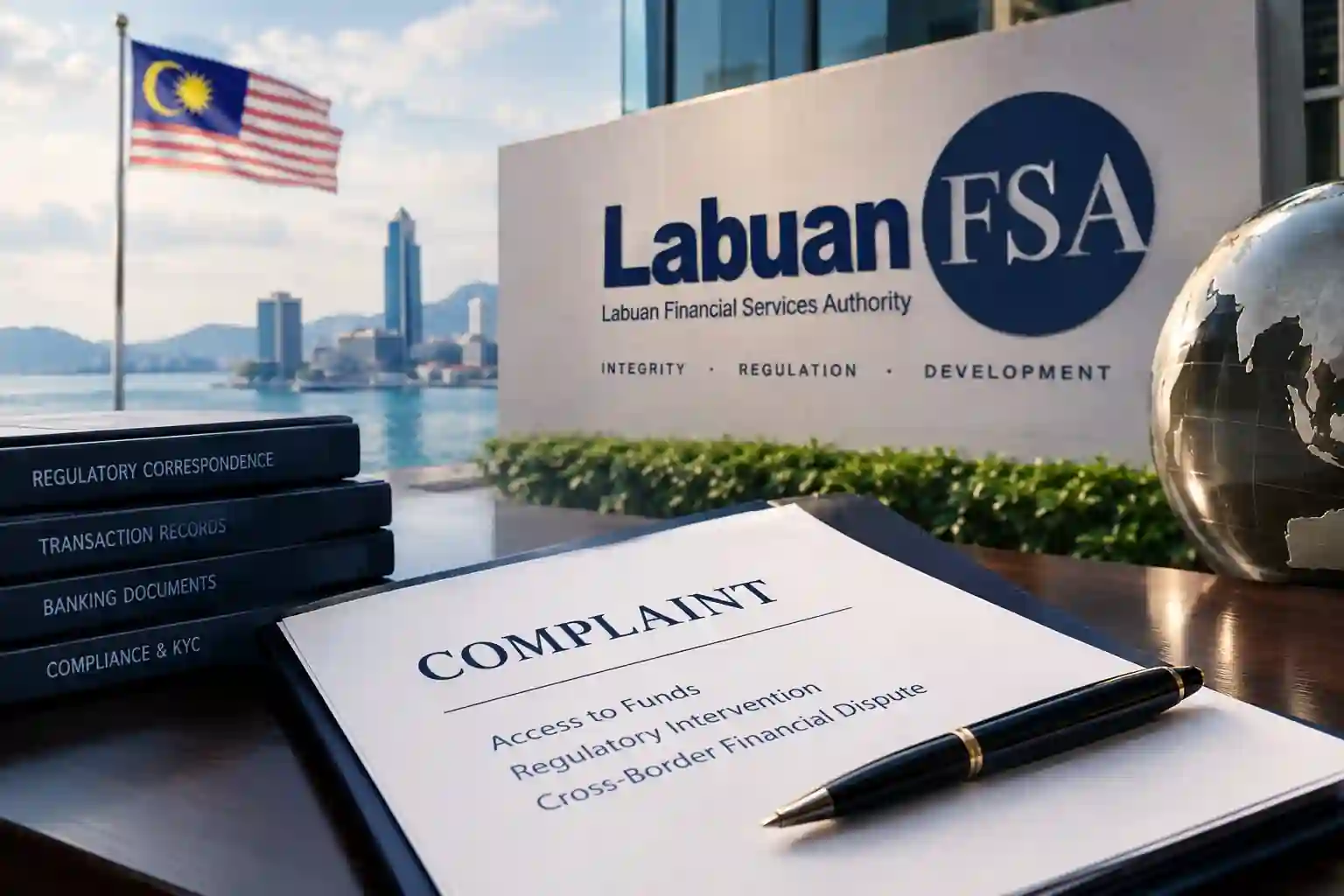
How a Gibraltar-regulated financial institution sought supervisory intervention over the continuing restriction of its funds in Labuan

A criminal complaint submitted in Malaysia forms one strand of MGF’s wider legal strategy, while the evidence and authorities will determine what follows
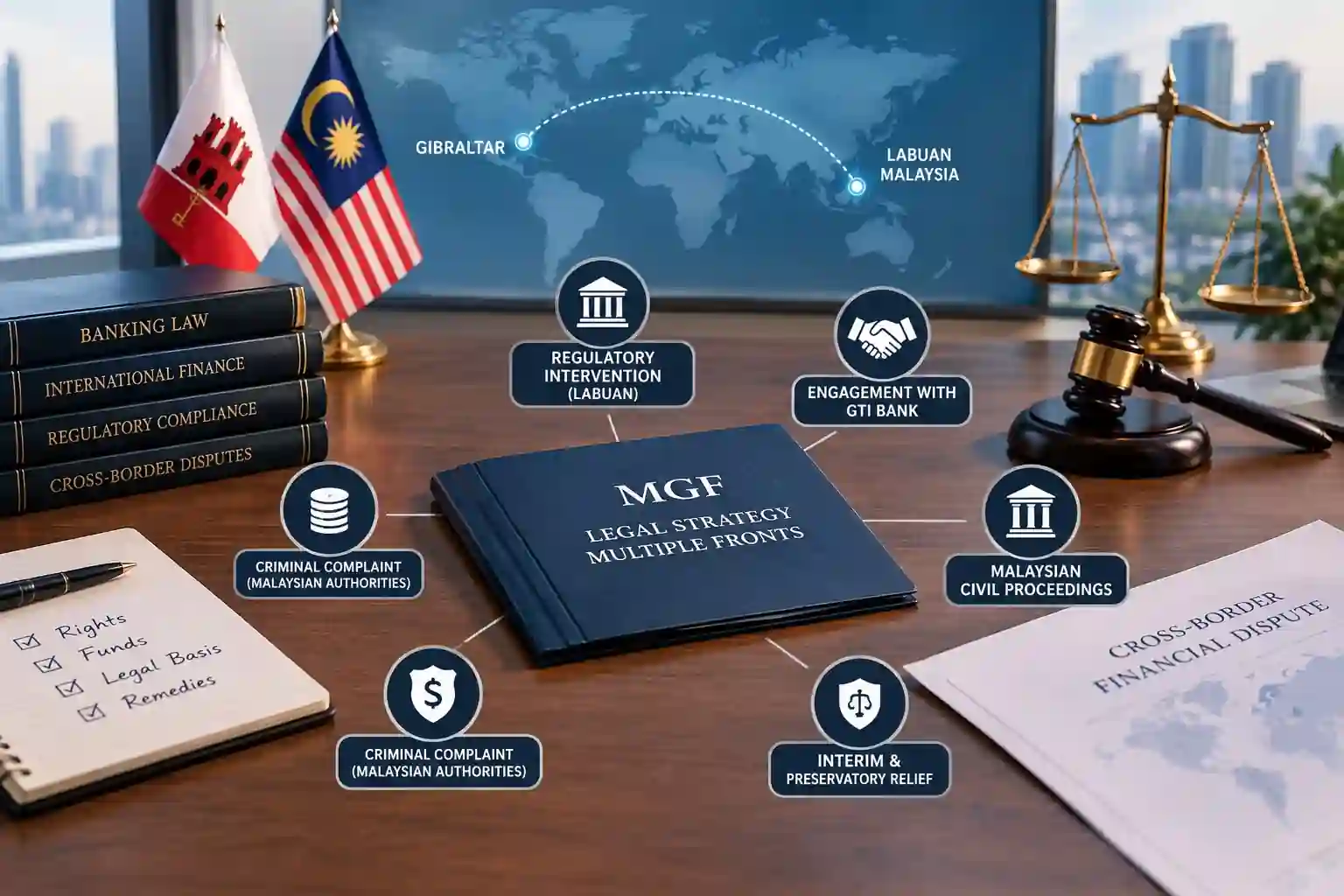
Why the Gibraltar-regulated institution is examining regulatory, civil, interim and other remedies rather than relying on a single route

A preliminary legal assessment points to possible recovery proceedings in Malaysia over the continued restriction of MGF’s funds

MGF’s fight to recover its funds highlights the legal complexity of a financial dispute spanning two regulated jurisdictions

Malaysian law enforcement authorities are investigating Asia Nexus Investment Bank Ltd following allegations that the entity functioned as a [...]

A police complaint lodged with the Royal Malaysia Police at the Dang Wangi district station in Kuala Lumpur against Asia Nexus Investment Bank Ltd [...]

In my years tracking international trade finance, financial crime, and cross-border commercial networks, I have witnessed a significant [...]

A USD 48.5 million SBLC document circulating online highlights the growing challenges faced by businesses, investigators and compliance professionals as financial [...]

International trade finance operates through a complex network of exporters, importers, banks, insurers, logistics providers, brokers and financial intermediaries [...]

The modern financial institution exists across multiple layers of identity, combining legal structures, technological infrastructure, communication platforms and [...]

The global financial system is severely threatened by a dangerous due diligence gap: the widespread, fraudulent practice of treating basic corporate incorporation as [...]

The controversy surrounding Asia Nexus Investment Bank illustrates how digital identity has emerged as one of the most significant battlegrounds in international trade [...]

Artificial intelligence has accelerated the speed at which corporate fraud, unauthorized operations, and statutory non-compliance can be exposed, making verification [...]

A company’s digital history, including website archives, domain registrations, technical infrastructure and online evolution, has emerged as a critical forensic tool [...]

Professional networking platforms, digital investigators and open-source intelligence have created a powerful parallel ecosystem of corporate scrutiny, exposing [...]

When polished online identities become a mask for unauthorized activities, regulators, investors and corporate boards are compelled to rethink the architecture of [...]

Asia Nexus Investment Bank Ltd, which presents itself as a Labuan-based international investment bank serving institutional and private clients, has become the subject [...]

Offshore financial jurisdictions, often characterized as International Business and Financial Centres (IBFCs), operate within a fragile reputational [...]

In the pre-digital era of corporate communication, a printed retraction, a buried correction notice, or an administrative recall could occasionally [...]

In the study of corporate failures, operational catastrophes are rarely caused by a single isolated error. Instead, they are almost always the [...]

In the modern Fintech and decentralized finance (DeFi) spaces, the boundary between distinct corporate entities is often fluid. Financial platforms [...]

In the legal arena governing corporate defamation and trade libel, the ultimate battleground is the evidentiary record. When a licensed financial [...]

In the rapid-fire world of international trade finance and corporate brokering, legal disputes rarely move from public notice to formal legal escalation as fast as the conflict between [...]

In the law of torts, some of the most damaging cases of corporate defamation are those that invent a dispute where absolutely none existed. It is a common protective tactic for banks to [...]

Every corporate entity possesses an inherent legal right to protect its trademark, its proprietary brand, and its institutional status from fraudulent exploitation or unauthorized [...]

In the architecture of modern financial systems, public disclaimers are legally categorized as protective or prophylactic disclosures. Their legitimate purpose is straightforward: to act as [...]

In the complex, hyper-connected matrix of offshore finance, reputation is not merely an abstract asset, it is the fundamental infrastructure upon which liquidity, transactional flow, and [...]

A sharply worded announcement issued on a professional networking platform by a Labuan-based financial services entity has triggered a layered […]

The dispute emerging from Labuan’s financial services sector offers a textured and instructive lens through which to examine the increasingly […]

Within the carefully managed and discreet ecosystem of offshore finance, disputes are seldom conducted in the glare of public scrutiny. […]

The unfolding arbitration linked to Labuan’s financial sector does not exist in a vacuum. It is symptomatic of a wider […]

The progression of this narrative discloses something more profound than a mere evolution in corporate practice. It points to a […]